
PRF Hair Restoration in NYC: What to Expect, Results Timeline, and Who It May Help
PRF Hair Restoration in NYC: What to Expect & Results Timeline
Platelet-rich fibrin (PRF) is a non-surgical, autologous option for thinning hair offered at Meraki Integrative in Midtown East, designed to support active follicles as part of an individualized care plan.
Hair thinning can have many causes, and the right treatment depends on what is driving the change. For people searching for non-surgical hair restoration in Manhattan, platelet-rich fibrin, or PRF, is one regenerative option that uses components from the patient's own blood. At Meraki Integrative, PRF hair restoration is offered from the Midtown East office as part of a broader, individualized approach to hair and wellness concerns.
It is important to set expectations clearly. PRF is related to platelet-rich plasma, or PRP, but the preparation methods are not identical. The published hair-loss literature is stronger for PRP than for PRF, so PRF should not be presented as a guaranteed solution. A consultation should start by identifying the pattern and possible cause of hair loss, then deciding whether a regenerative treatment makes sense.
First, Understand Why Your Hair Is Thinning
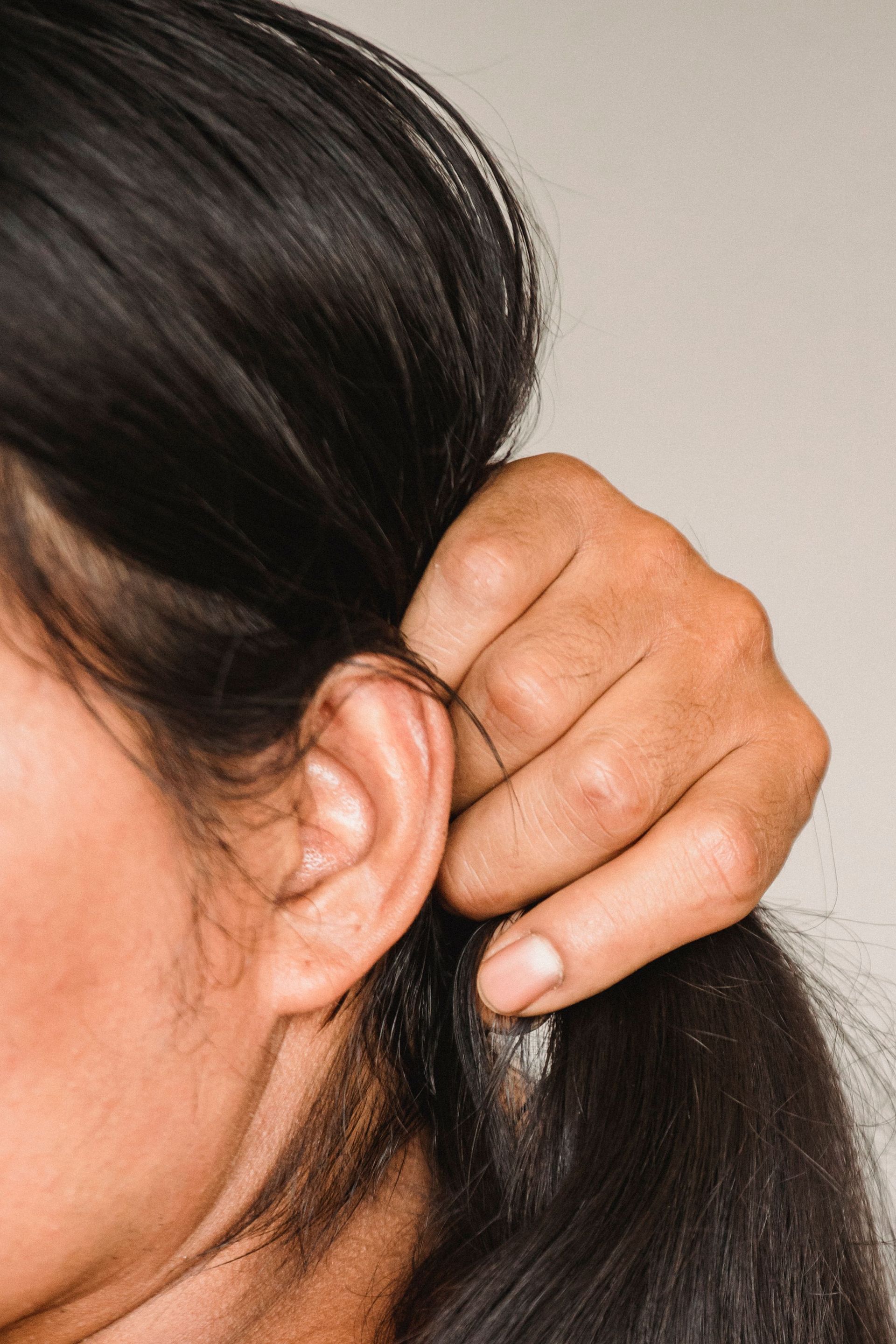
Pattern hair loss
Gradual thinning can follow recognizable male or female pattern changes.
Hormonal changes
Hormonal shifts can influence shedding and changes in hair density.
Nutritional or medical factors
Deficiencies, thyroid conditions, medications, or illness may contribute.
Scalp or inflammatory conditions
Scalp inflammation or sudden, patchy loss may require medical evaluation.
Hair loss is a symptom, not a diagnosis. Pattern hair loss, postpartum shedding, thyroid disease, nutritional deficiency, inflammatory scalp disease, medications, major illness, and stress-related shedding can look different and may require different treatment. The American Academy of Dermatology recommends evaluating the cause because early diagnosis can improve the chance of choosing an effective treatment.
That is especially important if hair loss is sudden, patchy, painful, associated with scalp inflammation, or accompanied by other symptoms. In those situations, a dermatologist or other appropriate medical clinician may be the best first stop. A cosmetic treatment should never delay evaluation of a condition that needs medical treatment.
What Is PRF Hair Restoration?
PRF is prepared from a small blood sample that is processed in a centrifuge. The resulting fibrin-rich portion contains platelets and other blood components and is injected into targeted areas of the scalp. Because the material is autologous, it comes from the patient's own blood.
PRP uses a related concept, but preparation protocols differ. Studies of PRP for androgenetic, or pattern, hair loss suggest that it can improve hair density in some patients, although protocols and outcomes vary. A 2024 systematic review indexed in PubMed found supportive evidence for PRP in male androgenetic alopecia while also highlighting differences across studies. That evidence should not be assumed to apply perfectly to every PRF protocol.
Who May Be a Reasonable Candidate?
PRF may be considered for adults with early to moderate thinning who still have active follicles and want to explore a minimally invasive option. Meraki's program commonly sees men and women with pattern thinning, postpartum changes, or hair concerns that may overlap with hormonal or nutritional factors.
Candidacy is not based on a single diagnosis alone. A provider should consider the pattern of loss, how long it has been present, scalp health, medical history, medications, pregnancy or postpartum status, and any signs that point to an underlying disorder. If symptoms suggest a broader health issue, Meraki can incorporate
diagnostic testing when clinically appropriate, or recommend outside evaluation when needed.
What Happens During a PRF Hair Appointment?
-
Blood draw
A small sample of your own blood is collected as the starting material for the PRF preparation.
-
PRF preparation
The sample is processed according to the clinic's PRF protocol to create the fibrin-rich preparation.
-
Targeted injections
The prepared material is placed into selected areas of the scalp using a series of injections.
-
Recovery & follow-up
Temporary tenderness, redness, or sensitivity can occur. Your provider should explain aftercare and follow-up expectations.
The process generally begins with a blood draw. The sample is processed according to the clinic's PRF protocol, and the prepared material is then placed into selected areas of the scalp using a series of injections. Appointment length and comfort measures vary by practice and treatment area.
Most people should expect temporary scalp tenderness, redness, or sensitivity after injections. Ask your provider about exercise, hair washing, styling products, sun exposure, and any medications or supplements that may affect bruising. You should also receive clear instructions about symptoms that would warrant a call to the office.
When Can You Expect to See a Change?
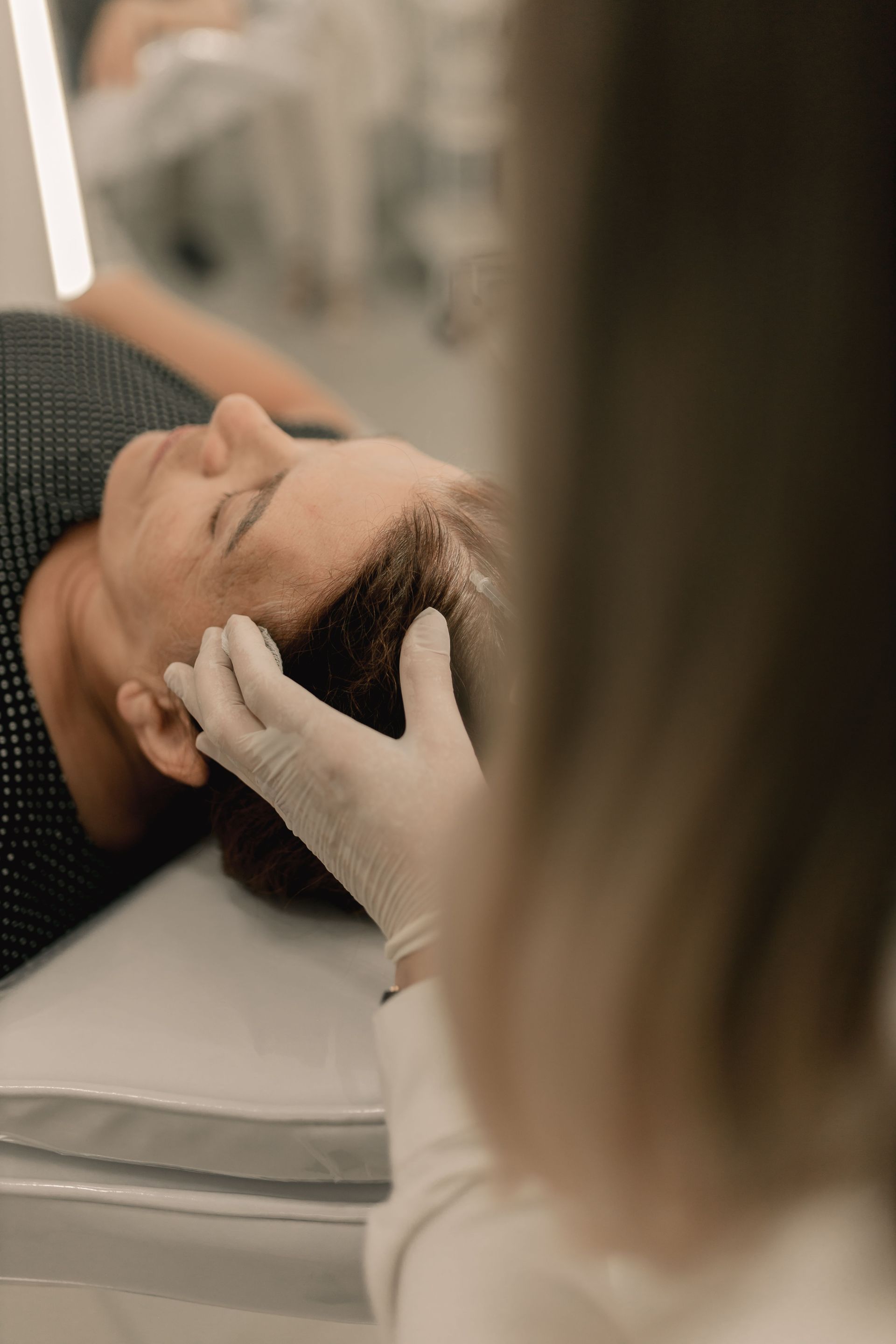
Hair growth is slow, so any credible hair restoration plan requires patience. Even when treatment is effective, changes are generally evaluated over months rather than days. The first signs a patient notices may be less shedding or a change in density, but the timing and degree of improvement vary.
Meraki's treatment plans may use a series of sessions followed by reassessment or maintenance, depending on the person's response. The exact schedule should be personalized. Beware of anyone promising a specific amount of regrowth by a specific date, because the cause of hair loss and the biology of each follicle matter.
PRF May Be One Part of a Larger Hair Plan
Some patients benefit from a multi-part approach. Depending on the diagnosis, a medical clinician or dermatologist may discuss evidence-based topical or oral treatments, correction of a documented deficiency, treatment of scalp disease, or hormonal evaluation. For patients whose hair changes occur alongside symptoms such as cycle changes or other hormone-related concerns, Meraki's hormone consultation service may be one appropriate pathway, but only when the broader clinical picture supports it.
The point is not to layer on as many treatments as possible. It is to match each treatment to a reason. A well-structured plan should define what PRF is expected to address, what other factors need separate care, and how progress will be measured.
Questions to Ask at a Hair Restoration Consultation
Before treatment, ask what diagnosis or hair-loss pattern the provider believes you have, why PRF is being recommended, how PRF differs from PRP at that practice, and what evidence supports the proposed protocol. Ask how many sessions are typically used, what the total cost may be, what maintenance could involve, and what happens if you do not respond.
It is also reasonable to ask who performs the injections, how the scalp is assessed, whether before-and-after photos are standardized, and when a dermatologist referral would be recommended. Clear answers are more valuable than dramatic promises.
PRF Hair Restoration in Midtown East, Manhattan
Meraki Integrative offers non-surgical hair restoration from its Midtown East NYC location near East 58th Street and Second Avenue. The consultation is an opportunity to review your pattern of thinning, discuss possible contributors, and decide whether PRF belongs in your treatment plan.
If you are noticing a widening part, reduced density, increased shedding, or gradual pattern hair loss, schedule a consultation to understand your options. The goal should be a plan based on your type of hair loss, not simply the treatment that happens to be trending.
Take the Next Step in Your Hair Restoration Journey
Whether you are seeking in-person care at our Midtown East office (near East 58th Street and Second Avenue) or a convenient virtual consultation, Meraki Integrative offers personalized, clinical next steps to address thinning hair. Don’t guess with trending routines or unproven treatments—let’s evaluate your hair loss pattern, scalp health, nutrition, and underlying health factors together to determine if PRF is right for you.
Call us at: 516-307-0776
Frequently Asked Questions
Is PRF the same as PRP for hair loss?
No. Both use components from your own blood, but the processing methods and final products differ. Most published clinical hair-loss evidence currently focuses on PRP, so ask how the clinic's PRF protocol relates to that evidence.
Does PRF work for every type of hair loss?
No treatment works for every cause. Scarring alopecia, autoimmune conditions, acute shedding, and pattern hair loss may require very different approaches. Diagnosis and candidacy come first.
How many PRF sessions will I need?
There is no universal number. The schedule depends on the treatment protocol, pattern of hair loss, response, and maintenance plan. Your provider should explain the proposed series before you begin.
Is there downtime after PRF hair restoration?
Many patients can return to routine activities quickly, but temporary tenderness, redness, swelling, or bruising can occur. Follow the specific aftercare instructions provided by your clinician.
This article is for educational purposes and is not a substitute for individualized medical advice, diagnosis, or treatment.